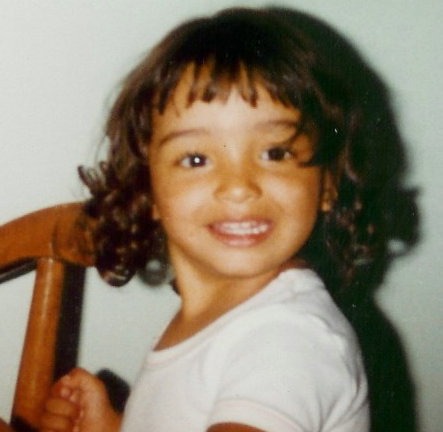







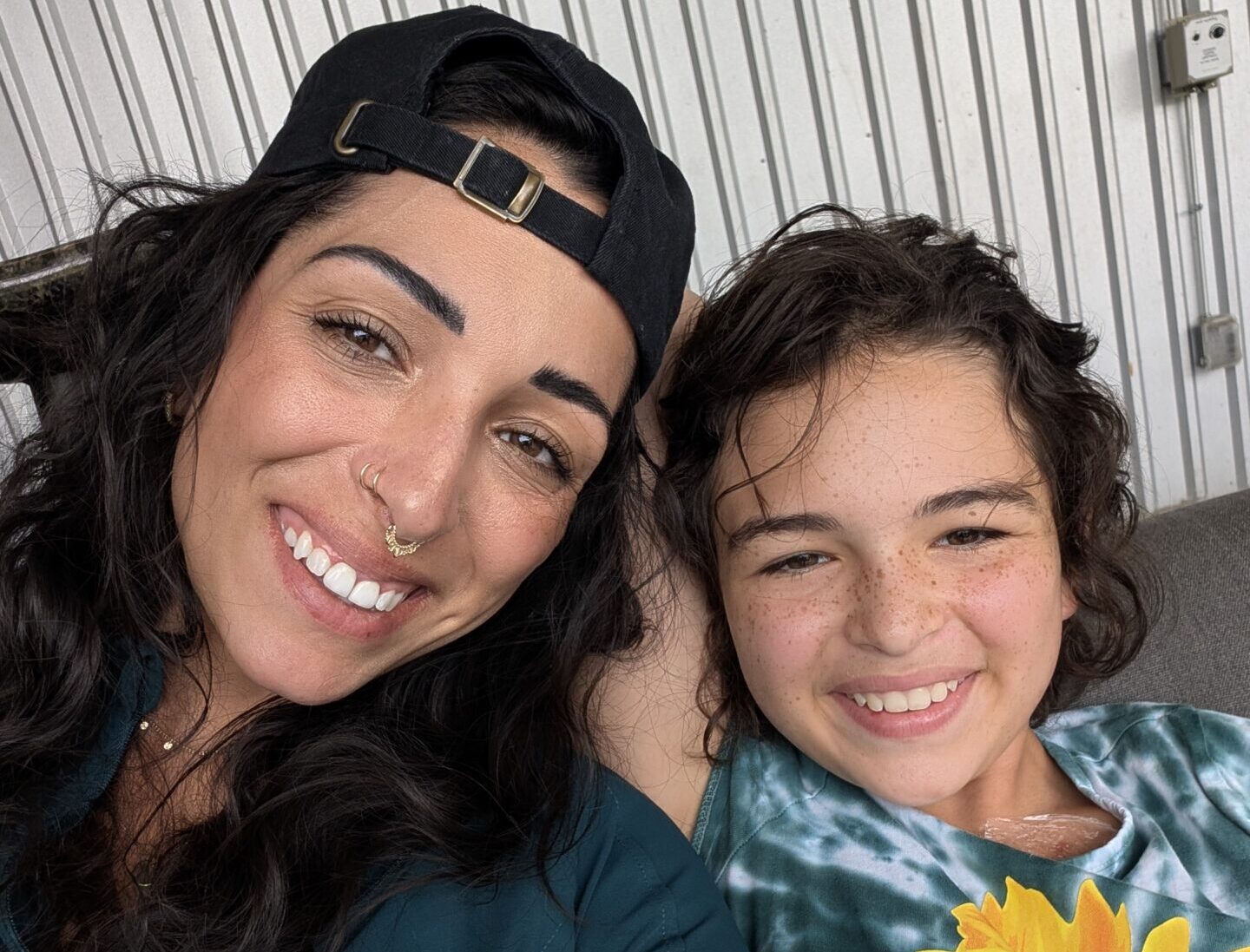
 Looking at her is like looking into a mirror that transports me back 25 years. It’s not just the shared features, the shape of our eyes, or the curve of our smiles, but the way I see her mind at work. She dissects situations with the same quiet intensity I remember in myself, turning thoughts over like puzzle pieces until they click into place.
When my daughter, Jasmine, was diagnosed with ADHD, I dove headfirst into research. Books, articles, academic papers — they became my lifeline. The overlaps of ASD and ADHD were impossible to ignore. No teacher, counselor, or support staff had picked up on any of the signs. And it was inevitably those deep dives that led to her screening and ultimate diagnosis.
What started as a goal to understand Jasmine, turned inward. My own memories began to resurface, piecing together a puzzle piece by piece.
I’ve learned that girls with autism often mask more to blend in, mimicking social norms to fit into groups. Studies show that this can breed a deep sense of isolation, even as they crave and reach for connection.
The pressure of this level of masking takes a toll: higher rates of anxiety and depression, especially as verbal IQ goes up. The more you notice the differences, the more anxious you become. The stress can take a physical toll on the body and lead to real burn out. The kind that makes you retreat into yourself and lose all that you’ve worked to attain. Unfortunately, not fitting the stereotypical image of autism creates barriers to diagnosis and support, especially for girls.
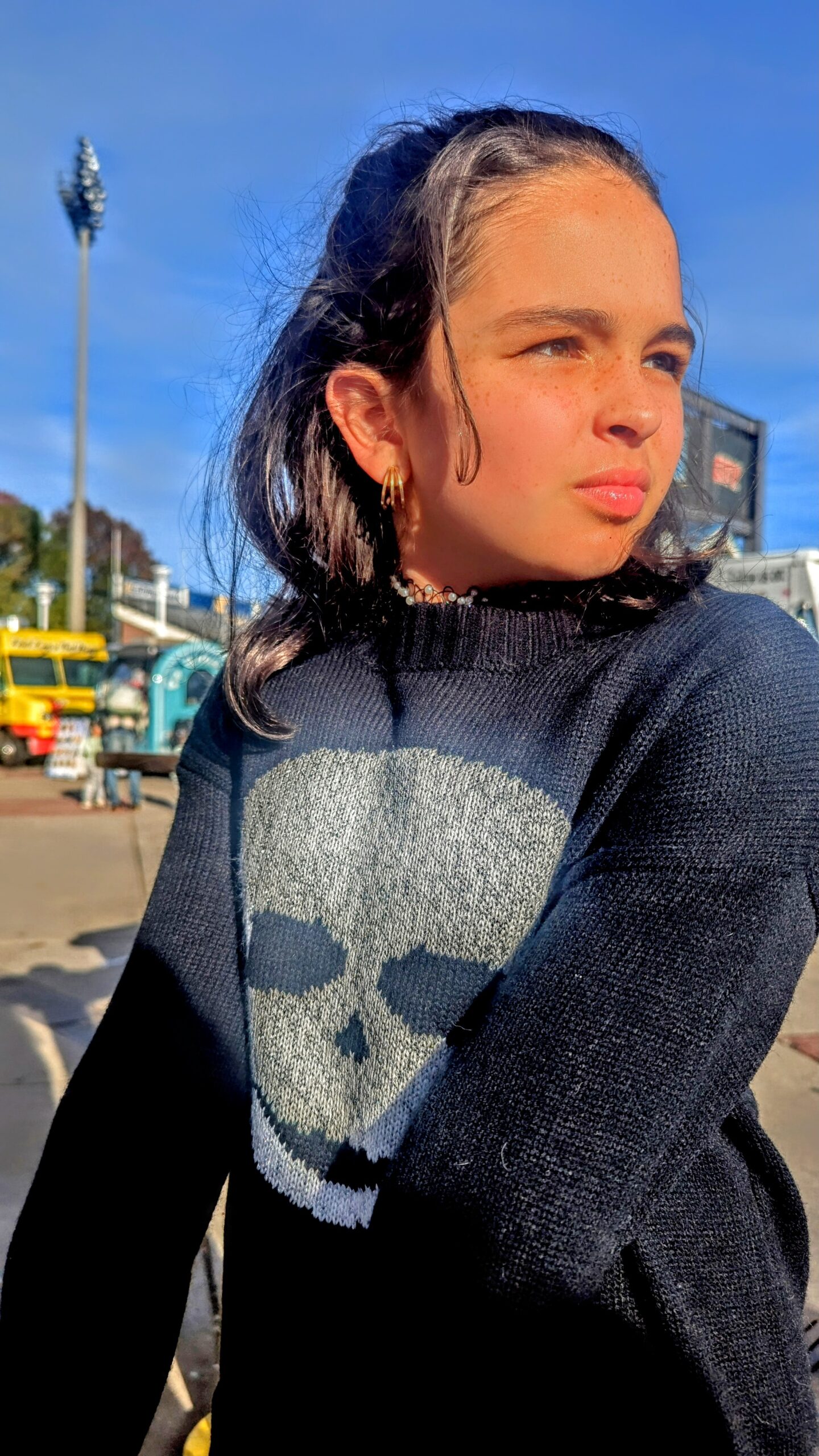
The more I dug into Jasmine’s diagnoses, the more of a mirror it became. I poured over books, articles, stories from autistic adults, and the more I read, the more I saw myself. The way I’d obsess over details, replay every word of a conversation for months, or feel my whole world tilt because my rug was too “loud.” I noticed my burnout followed a similar pattern to these women. Me finding people so overwhelming that I run from clients and hide from casual friends. It was all there in the stories I read.
Once I saw the similarities, I had a thought: If I was autistic too, maybe I could learn to understand Jasmine on a deeper level, guide her with the kind of insight I never had growing up. Give her the level of belonging that she felt slipping away. So I made the appointment.
Being diagnosed was like putting glasses on after a lifetime of blurry vision.
Reliving so many moments in my life and looking at them through a different set of eyes. Struggling to connect in ways I observed others do. My strong sense of justice for anyone and anything. And of course the backflips I do in my head on a regular basis. Autism can be a lot of things, and for some of us, it’s a kind of magic: we notice patterns in people, map them out, and adapt on the fly. These can be truly useful skills that set you apart from others, but it does come with a toll.
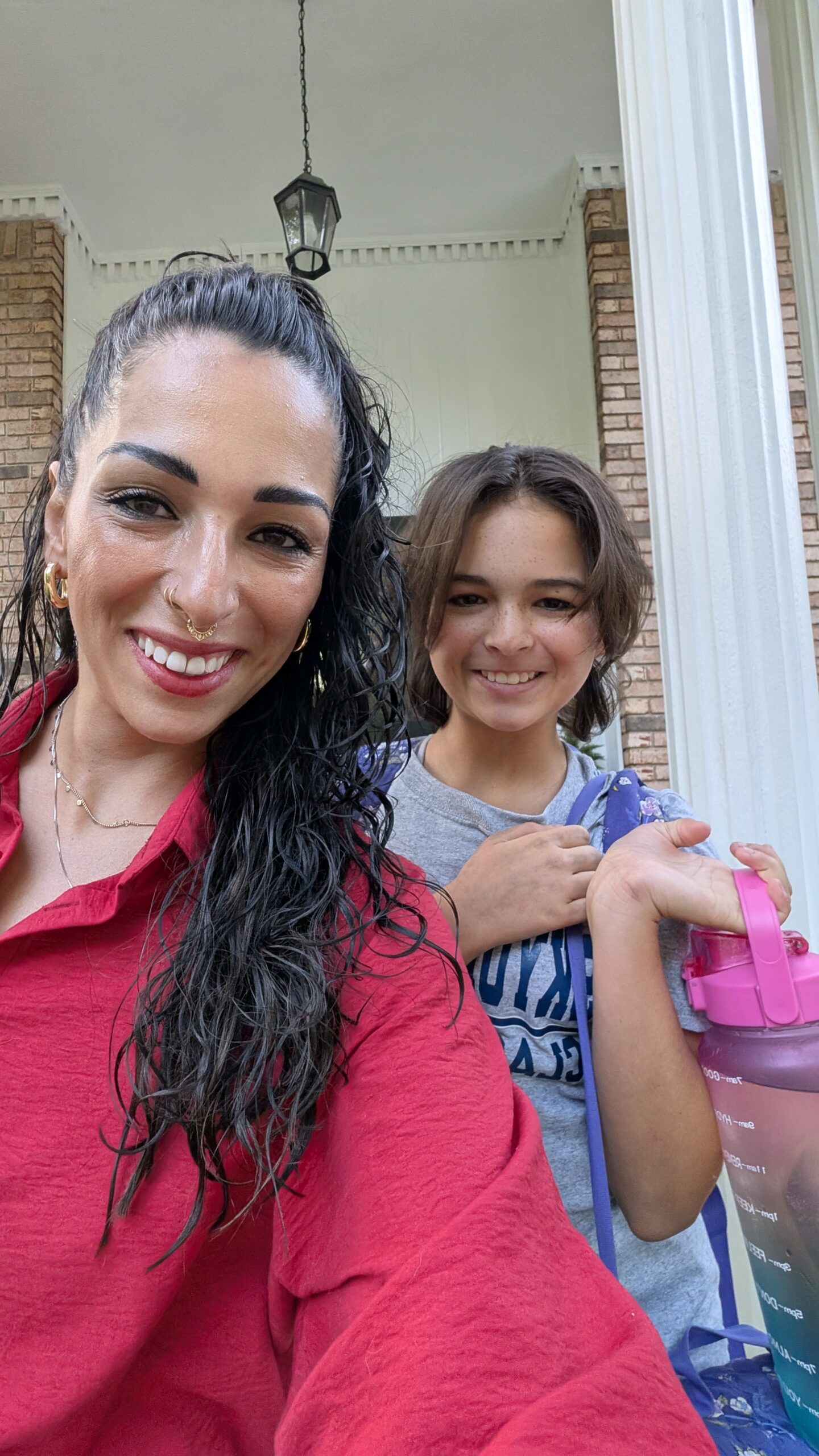
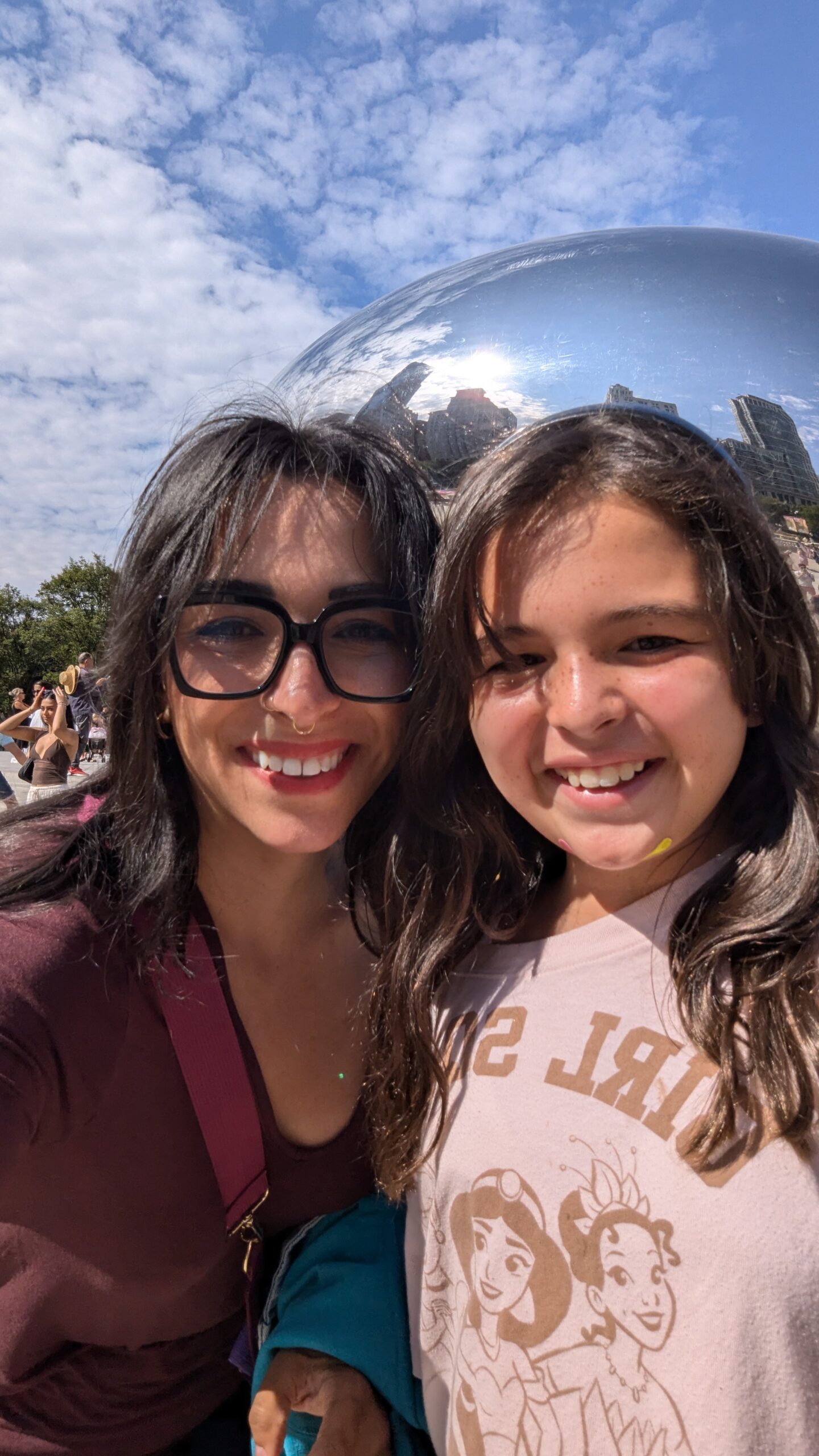
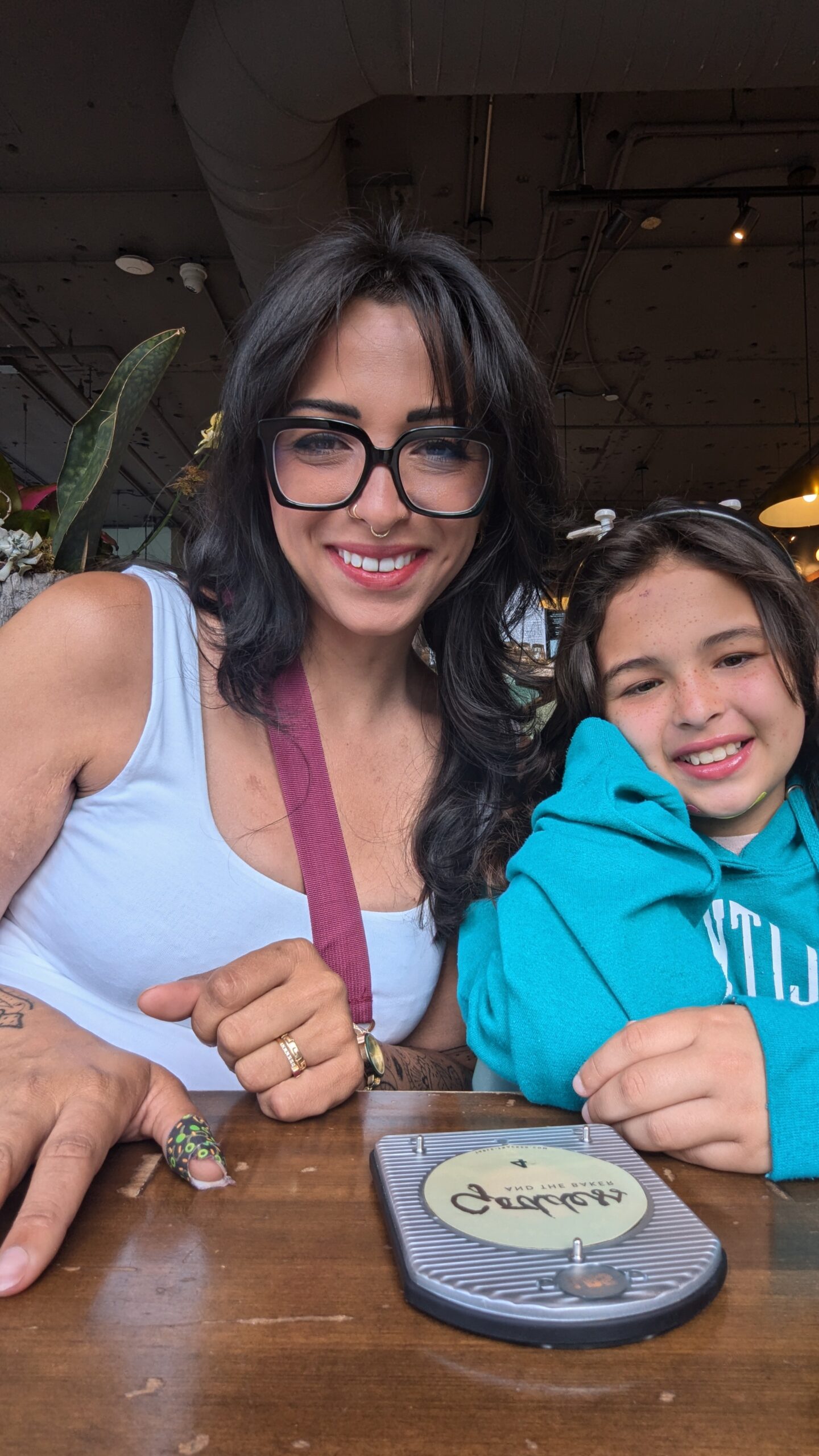
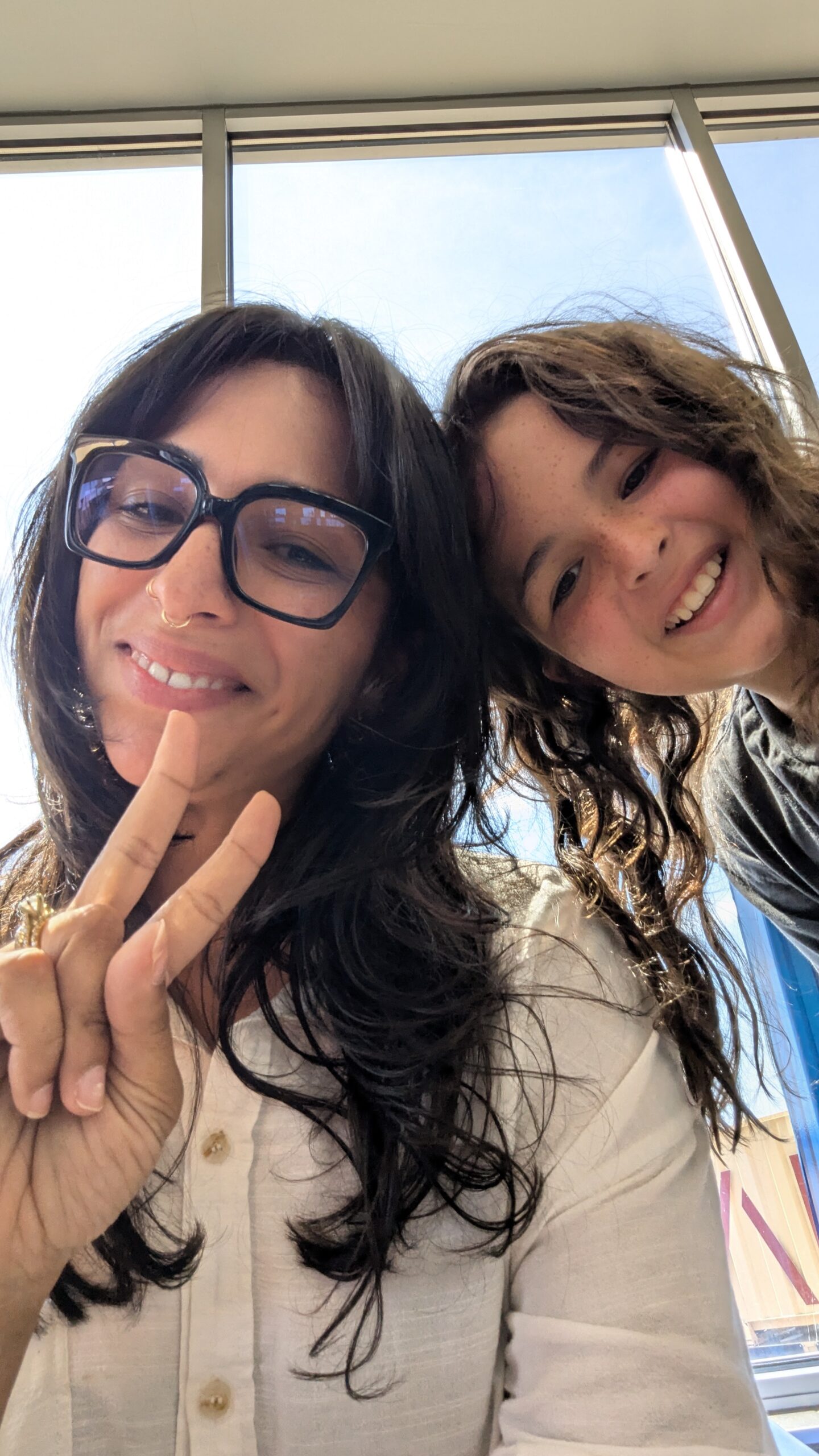
Living undiagnosed for 38 years has worn on my health. Stress is taking a physical toll on my body and is the number one thing I am being advised to address. Unmasking is tougher than I thought. Learning to stop doing something you didn’t know you were doing is not an overnight change. Learning to listen to my mind and body, and not just power through is difficult. I’m used to the pressure and sometimes do my best work there. But it is coming at a cost I am no longer willing to pay.
Fortunately, Jasmine is getting the support she needs at an age that will give her an incredible understanding of herself and the relationships she makes. She’s soaring in school, she has a crew of friends who get her, and she’s owning who she is. Something I now try to model daily. Maybe that is why I felt compelled to write this. To show her that it’s ok to keep your struggles close if you choose, but it is also ok to live loud and unashamed.